Rongbuk Monastery, the highest monastery in the world, was established in the early 20th century, under the Nyingma Sect. There are not many records about Rongbuk Monastery in history. Rongbuk Valley was known as the “sanctuary of the birds”. There was a strict ban on killing any animal in the area. The British arriving at Rongbuk in 1921, found the animals of the valley extraordinarily tame: wild blue sheep would come down to the monastery.
There were hundreds of Lamas and pilgrims engaged in meditation in a cluster of brightly colored buildings. The British did not meet the Head Lama as he was off doing a year’s meditation in a cave. It was common for hermits to go on meditation retreats in caves in the valley, subsisting on water and barley passed to them once a day.
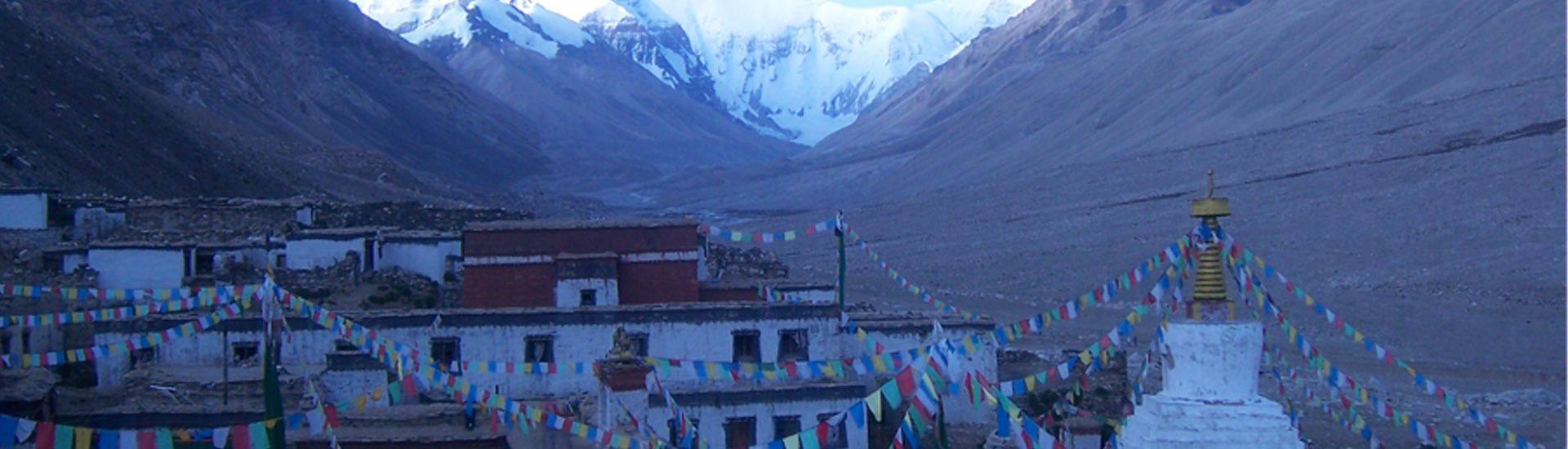
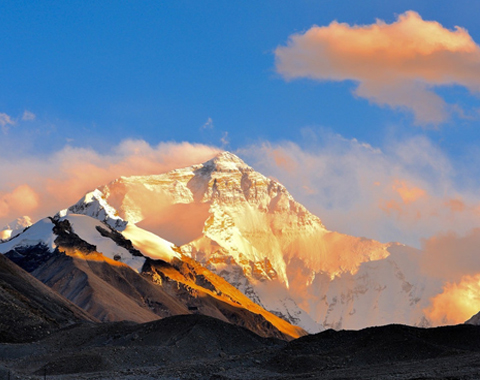
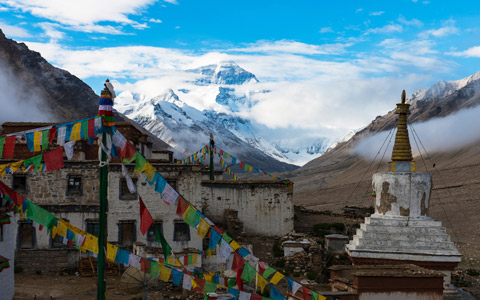
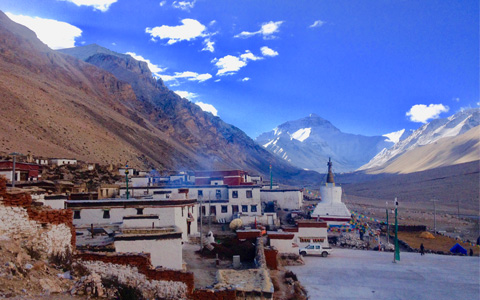
The monastery was razed in the 1960s. In the late 1980s and early 1990s, rebuilding took place at Rongbuk Monastery and its monastery has been resurrected, along with the stupa that figures prominently in tourist photography of the scene. In Rongbuk Monastery, some of the murals are superb. The monastery and its large pagoda make a great photograph with Mount Everest thrusting its head skyward in the background.
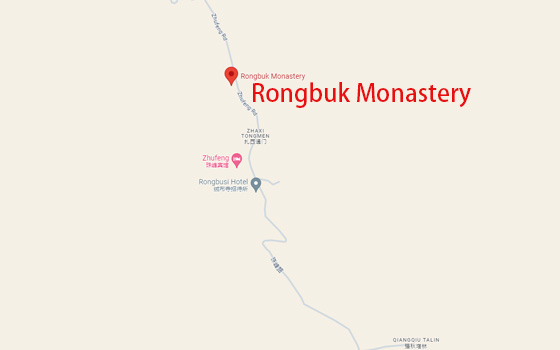
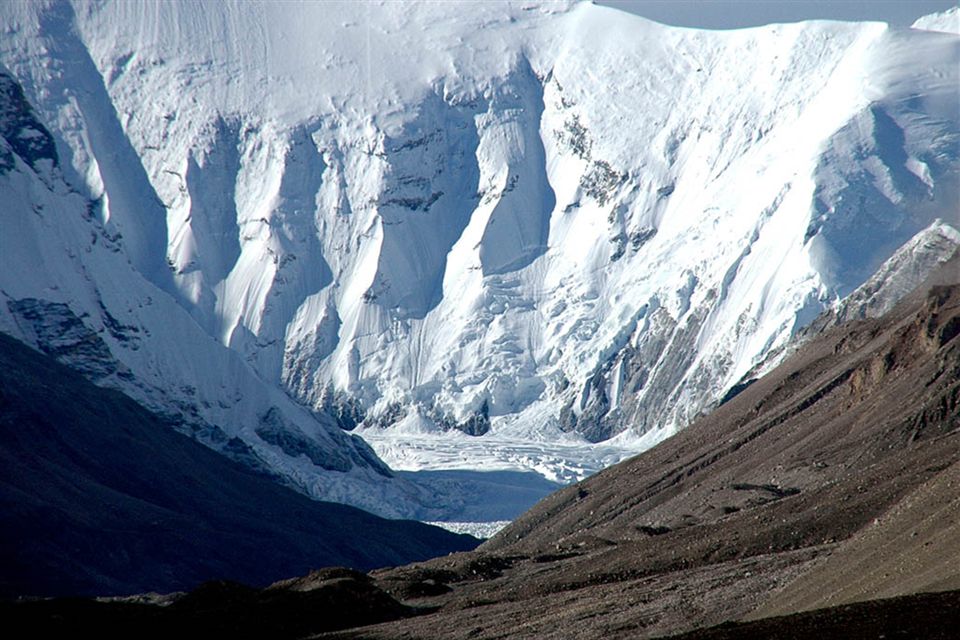
Walking forward from Rongbuk Monastery, you will see the famous Rongbuk Glacier, which is the largest among all the hundreds of glaciers formed around Mt. Everest. The Rongbuk Glacier is 26 kilometers long, with an average thickness of 120 meters, and the thickest point is more than 300 meters. Three glaciers from north of Mt. Everest flow south and congregate at a river traversing the foot of the monastery. This is called the 'Rongbuk River', and the water there is extremely cold. Also, if you want to get to the Everest Base Camp, Rongbuk Monastery is a place that you would pass by.
One interesting thing about Rongbuk Monastery is that monks and nuns live together in the same monastery. From the 15th April of in the Tibetan Calendar, the monastery will hold a Buddhist dancing ceremony, which will last for three days. This is held to celebrate the birth of Shakyamuni, which is known as the Saga Dawa Festival.
The Tibetan New Year begins on December 29th in the Tibetan calendar. During the festival, placate wandering ghosts, and monks wearing masks also perform this grand ceremony.
Tips of Rongbuk Monastery
1. Rongbuk Monastery is connected to Shigatse City and Lhasa by road, so it is easy to get to those two beautiful cities from this location.
2. Visitors who decide to climb Mt. Everest can also stay here at night. Each room can accommodate 4-5 people, but the accommodation conditions are not as comfortable as you expected. It is about 8 km from the Everest Base Camp.
3. There is also a small restaurant opened by a Tibetan, the prices there are a bit high. You can take some food in advance.

.jpg "Tibetan Local Travel Agency")



0 Comment ON "Rongbuk Monastery"
Check All Tibet Travel FAQs Here