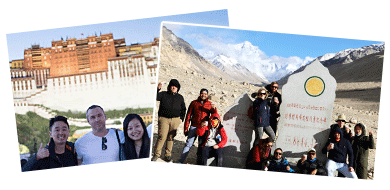

.jpg "Tibetan Local Travel Agency")



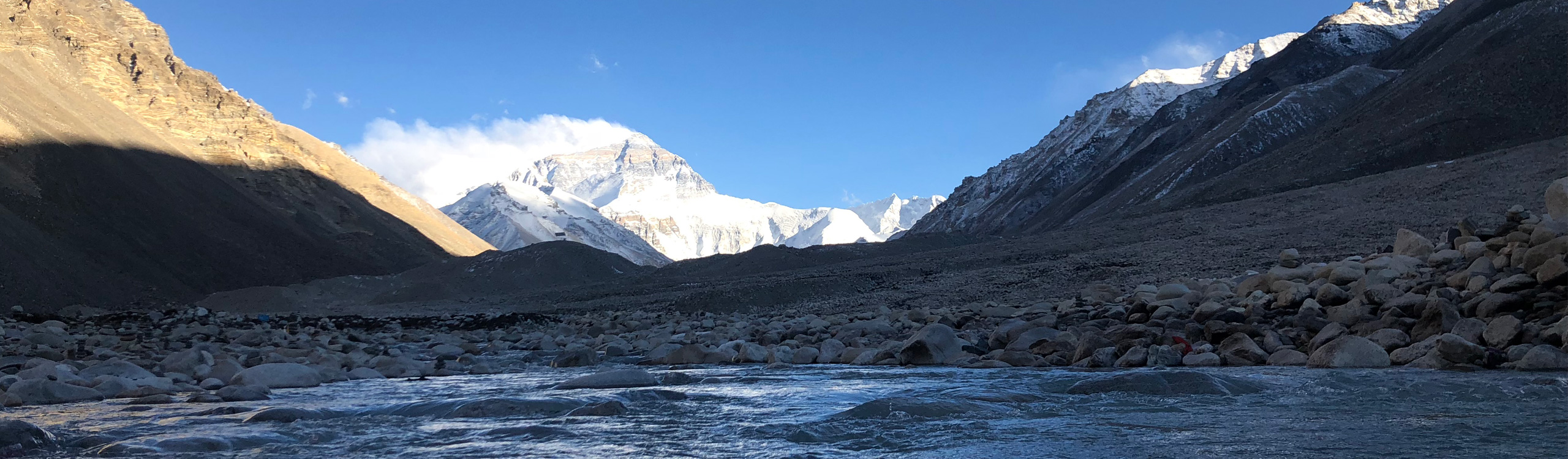
Everest Base Camp
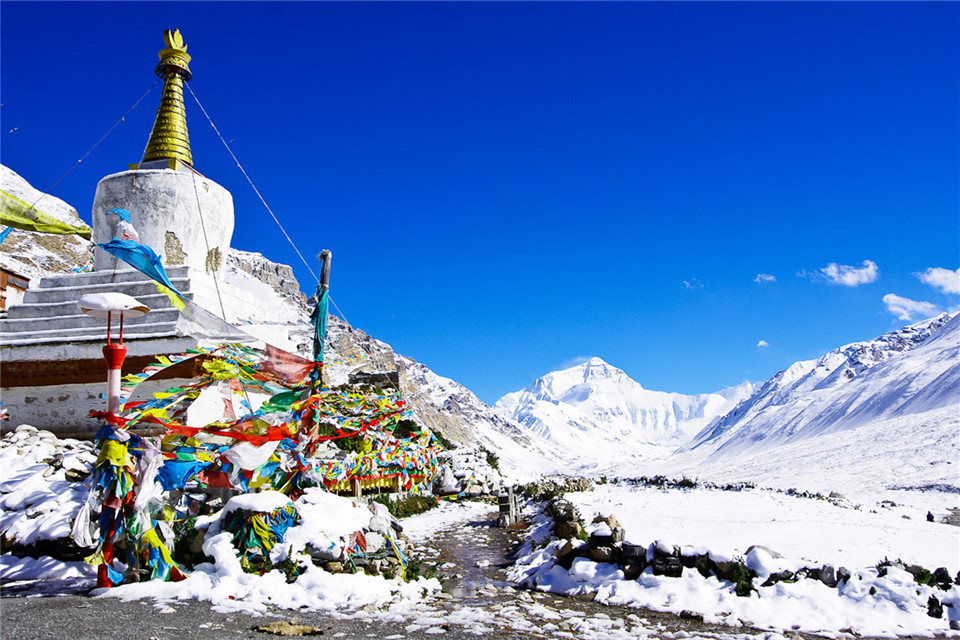
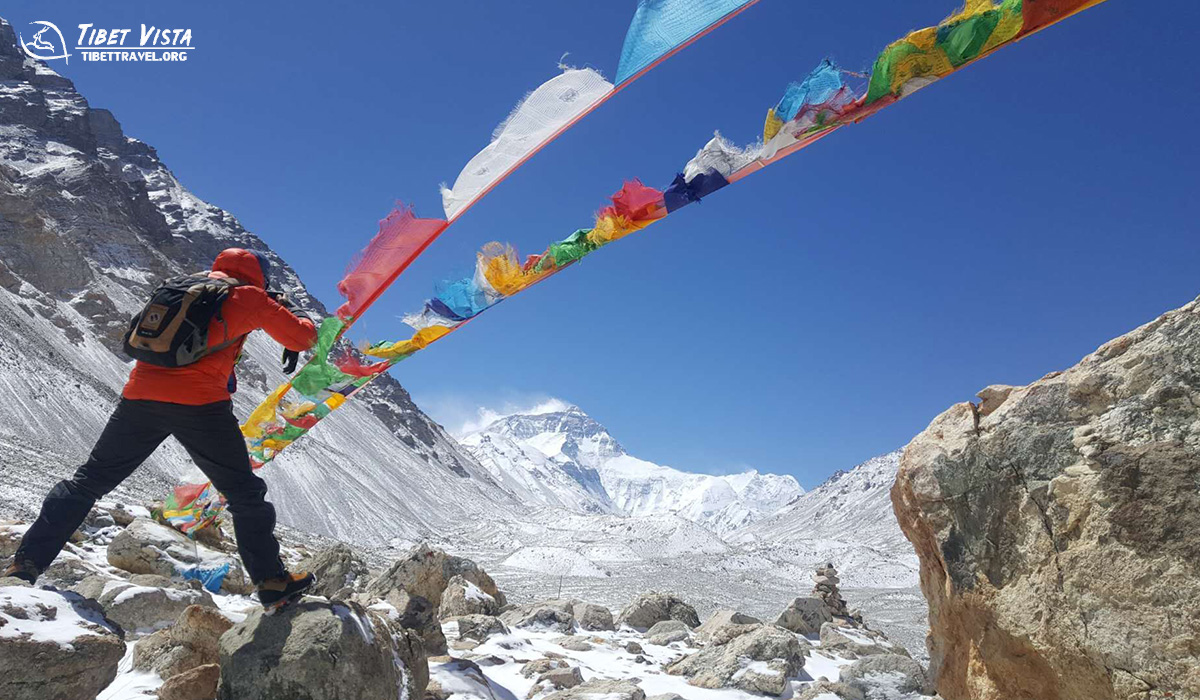
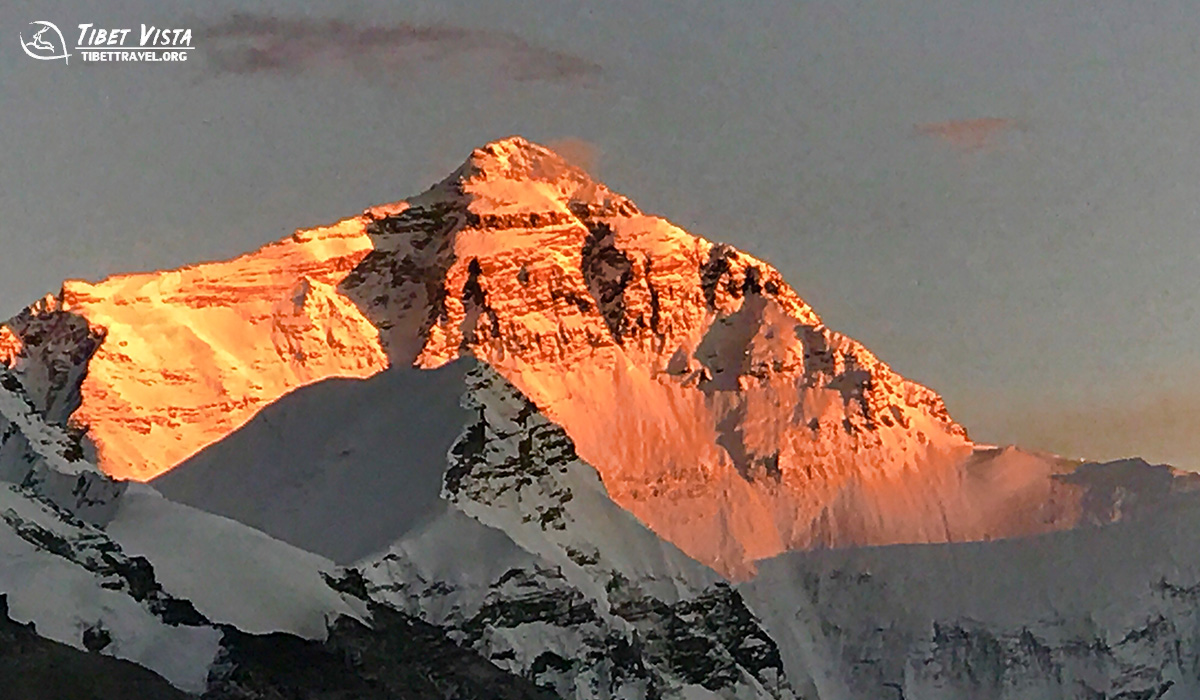
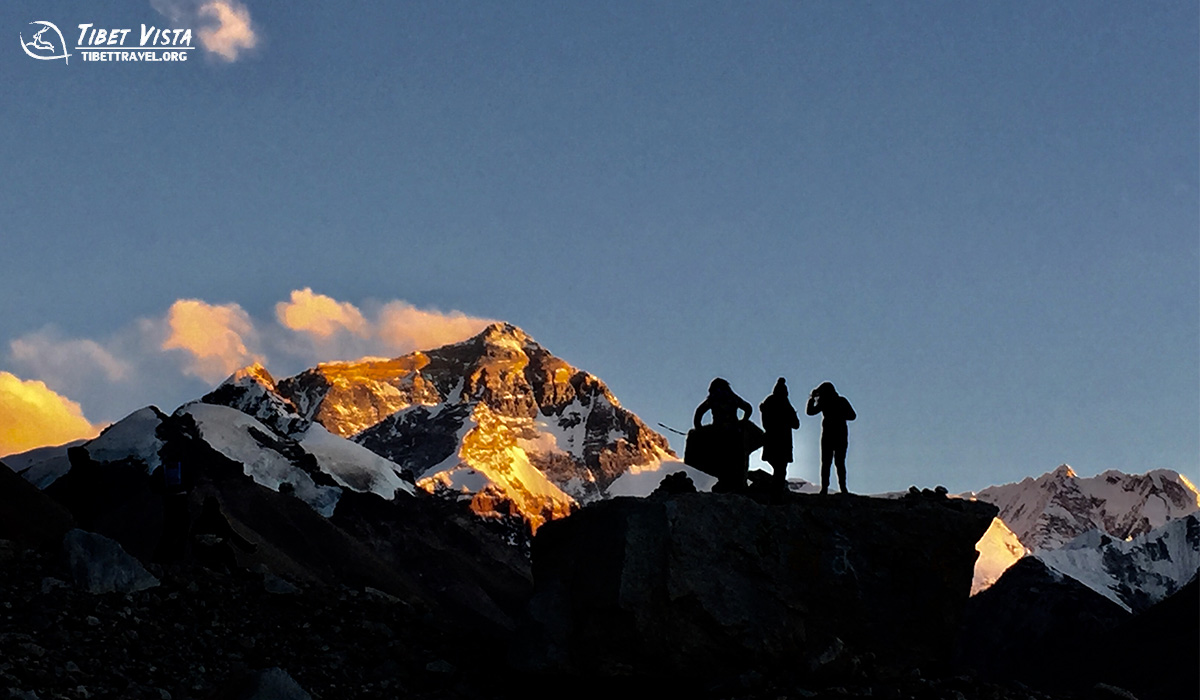
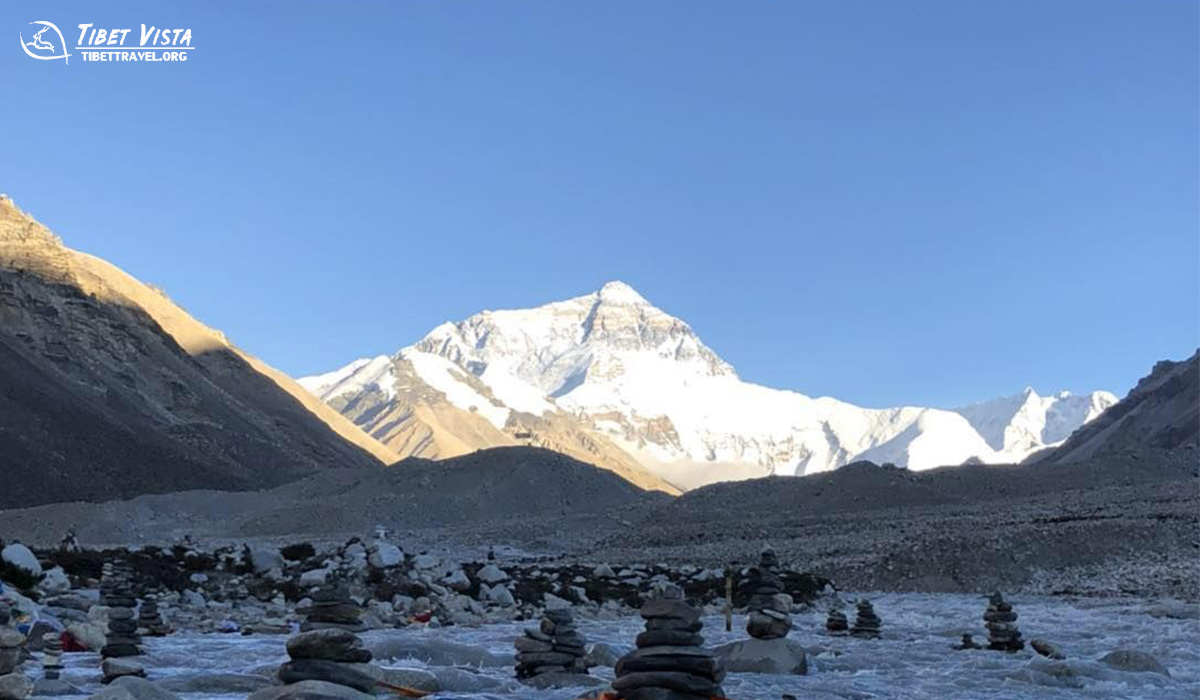
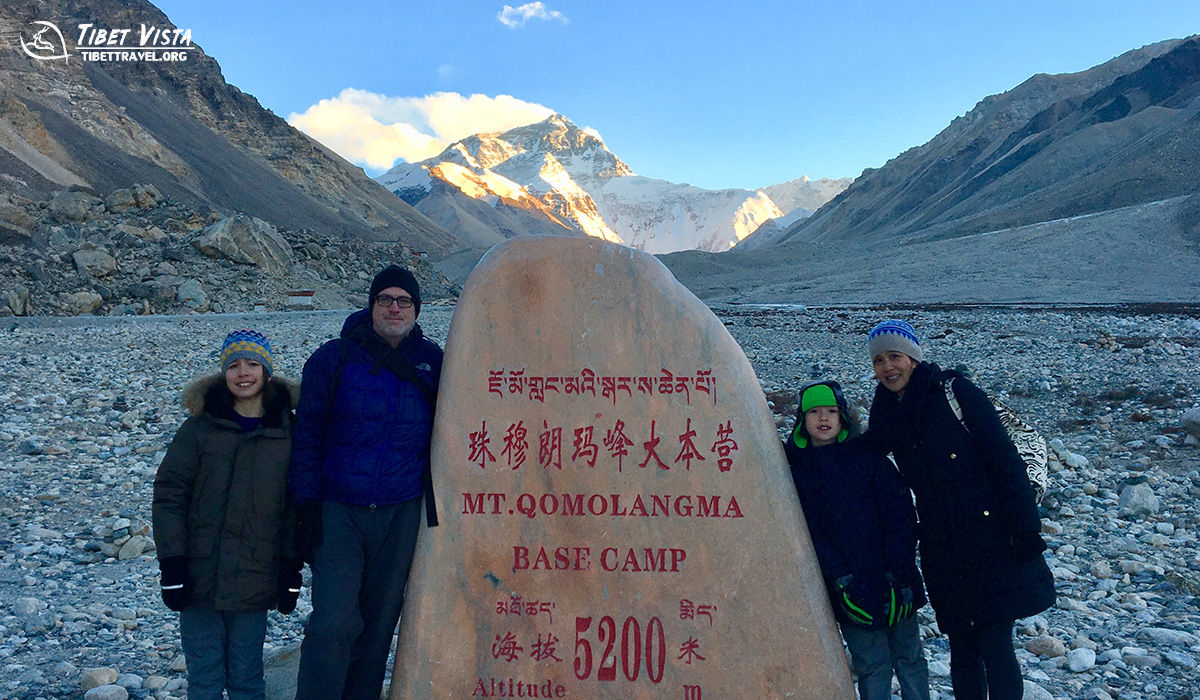
Everest Base Camp has a couple of permanent structures and a small base. Clamber up the small hill festooned with prayer flags for great views of the star attraction, then have your photo taken at the base camp marker, which reads “ Mt. Qomolangma Base Camp”.
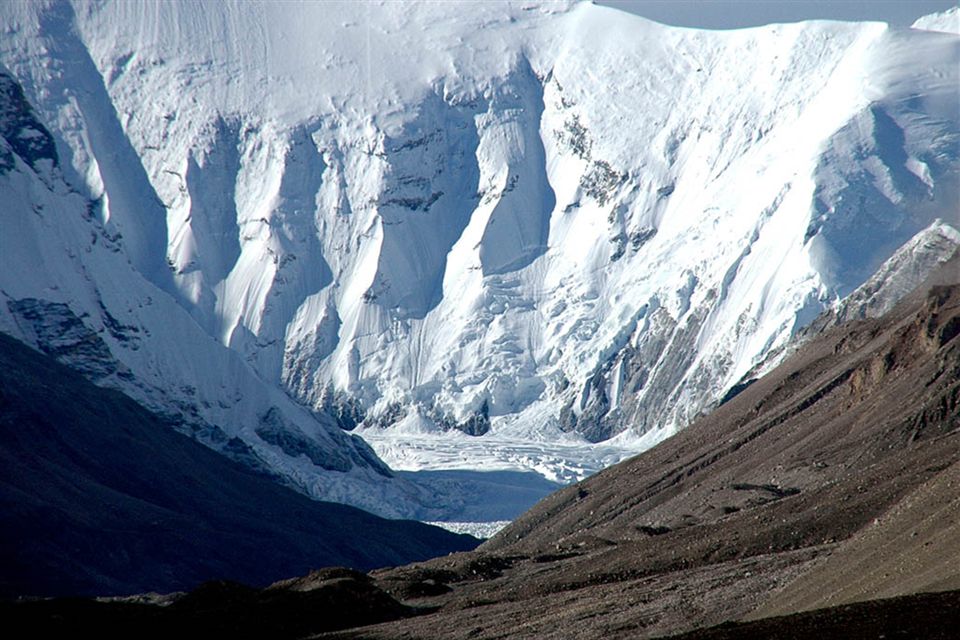
Self-driving is not allowed at Everest Base Camp. All vehicles must stop at the tent camp a few kilometers past Rongpuk Monastery. From here passengers must trek or take a bus to finish the last 4 km. The way up is gentle and the altitude gain is less than 200 m. Along the way, you pass scree slopes, jagged ridges, and broad glacier valleys. To facilitate your travel, we present you with the latest experts’ guides on Everest Base Camp travel and tours below.
Basic Facts:
Chinese name: 珠峰大本营
Location: Tingri County, Shigatse
Altitude: 5,200 m (16,700 ft)
Opening Hours & Ticket:All the Day; 160CNY/person; Children below 1.2m free entrance
Ticket Purchase Procedure: Book a ticket one day before your visit; Get the proof of the purchased ticket; take your ID and ticket proof for the visit at the designated time
Travel Documents: Tibet Travel Permit, Aliens’ Travel Permit
How to Get There: You can travel with a tour group or trek from Dingri County to Everest Base Camp. However, hiking requires extreme physical strength and courage. In addition, trekking gear is necessary.
Best Time to Visit:May to June and September to October. During these periods, the sky is clear, clouds are pale, the air is fresh and the temperature is comfortable

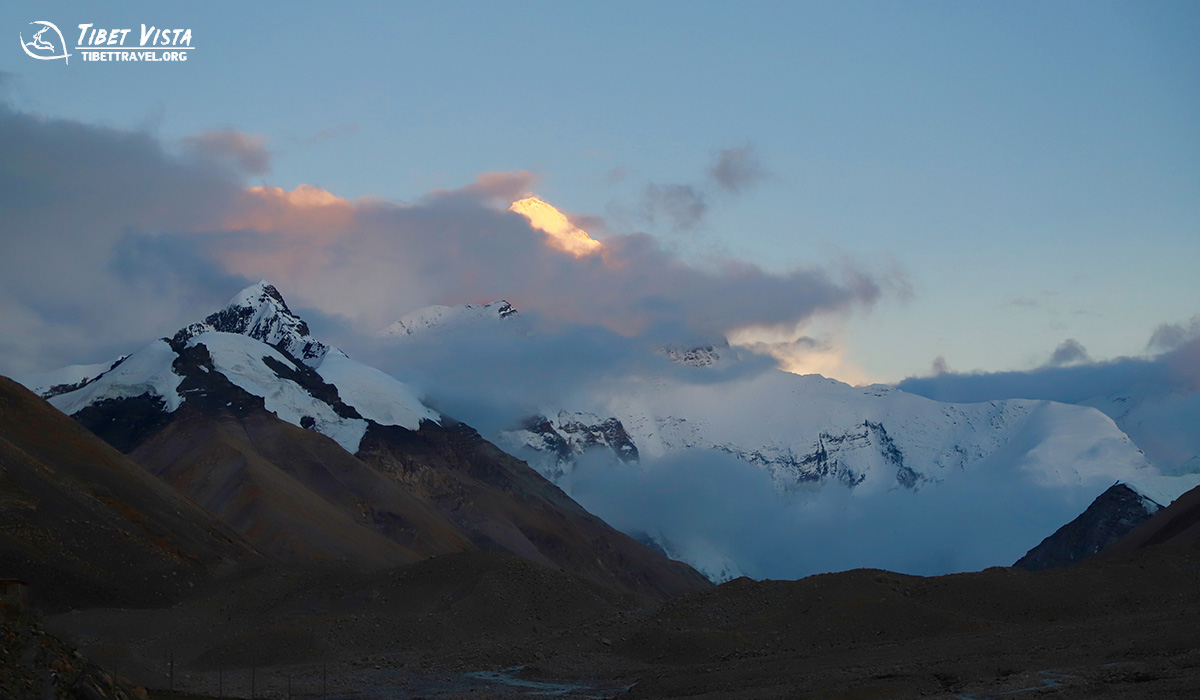
Everest Base Camp Photo Gallery
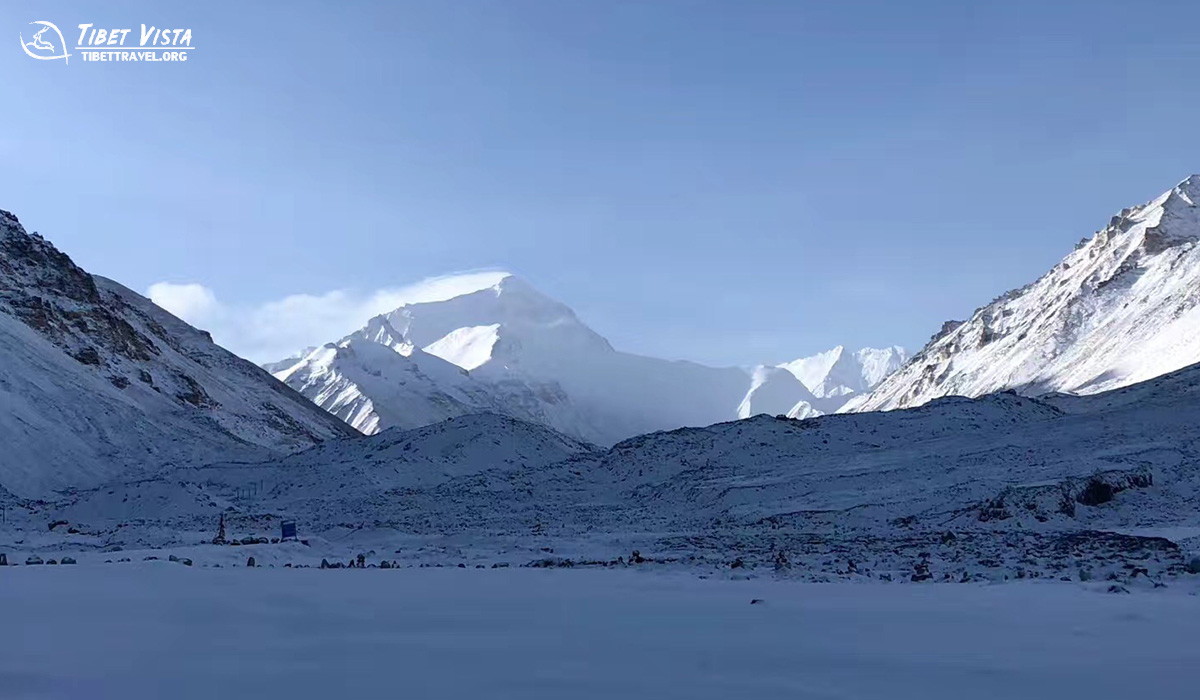
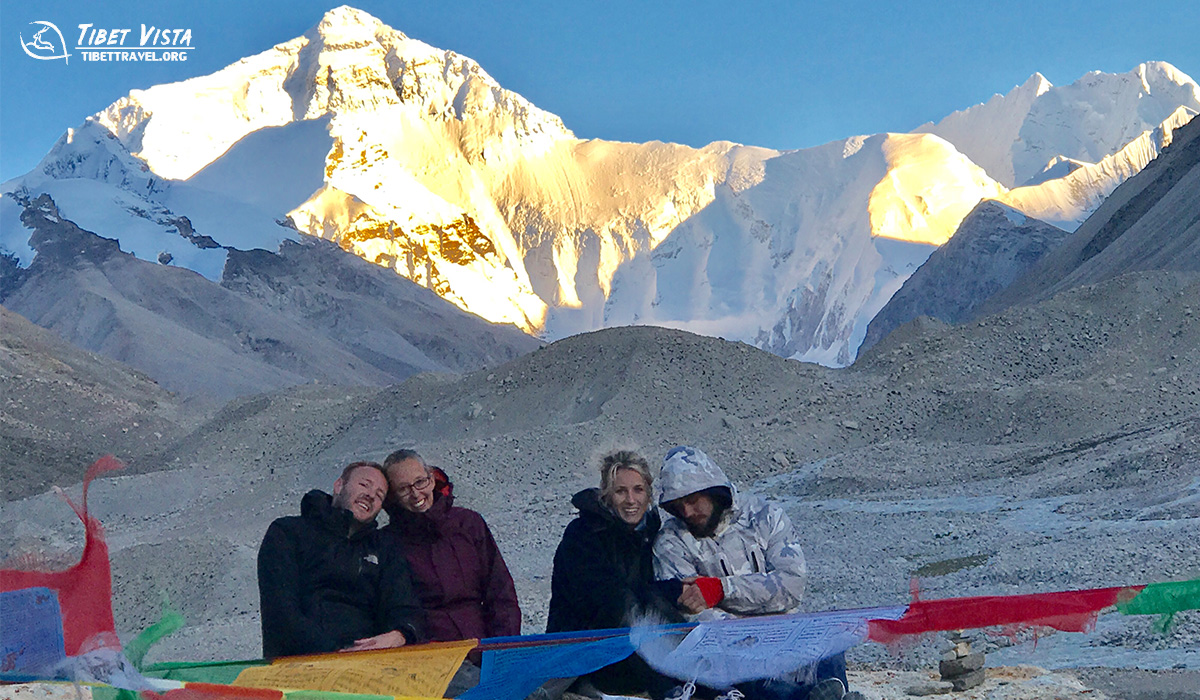
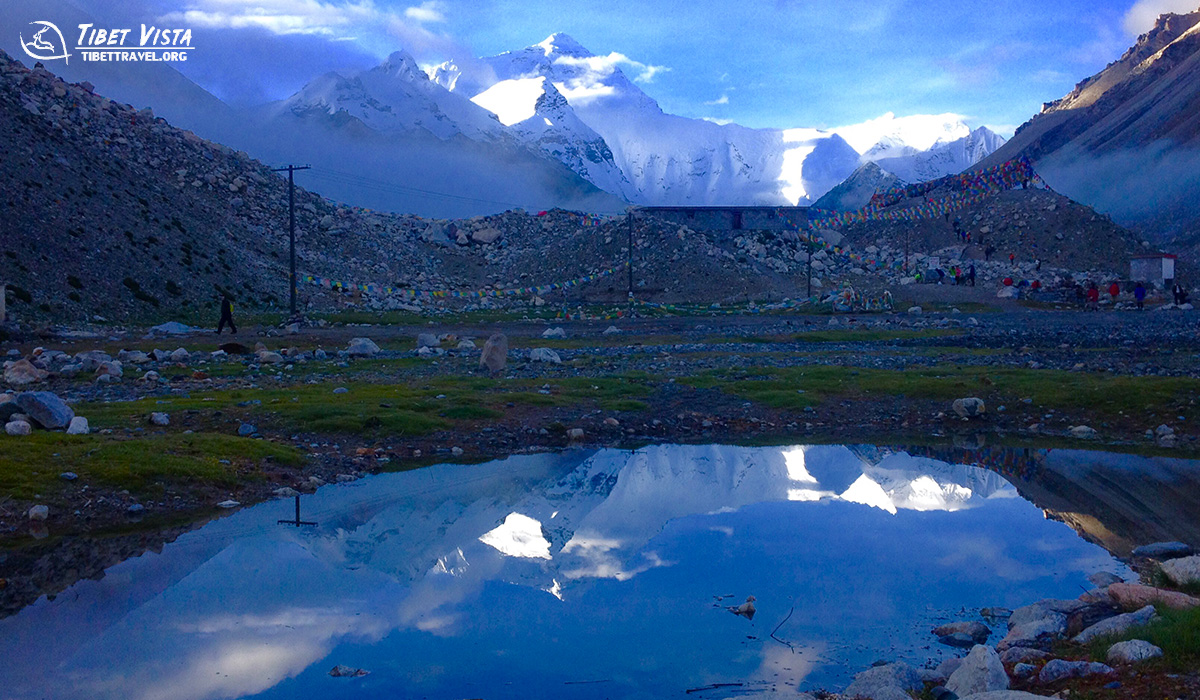
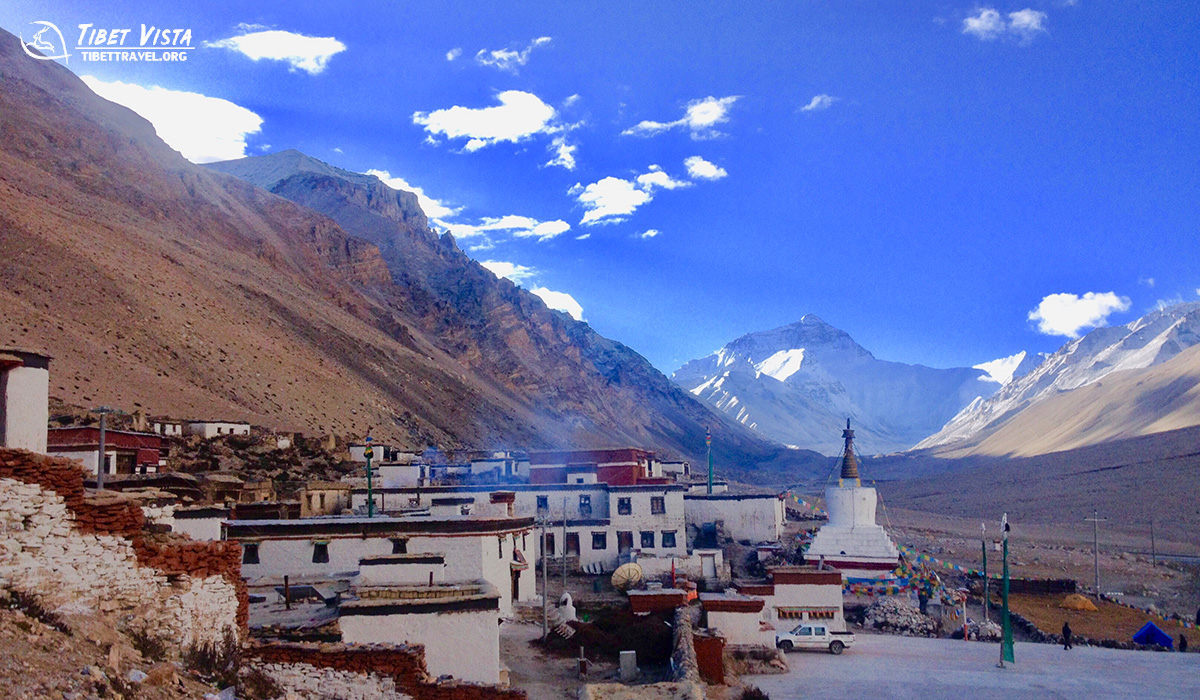
All Articles about Everest Base Camp
To make sure you can enjoy the best Everest Base Camp travel experience available, we kindly prepare the latest and most easy-to-use Everest Base Camp travel and tour guides below for you. You can follow the insider’s tip and won’t miss a single moment when you are trekking.
 When is the Best Time to Visit Tibet Everest Base Camp in 2024
The Everest Base Camp, the protection zone built to protect the core area of Qomolangma with an altitude of 5,200 meters, is one of the must-sees for any of trip to Tibet.
Weather in the mountains is notoriously difficult to predict. However, it is not as gloomy and cold as you imagine, and the temperature generally features a big temperature gap, cold at night while warm during daytime.
View More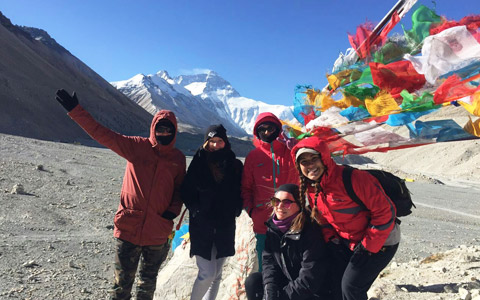 How to Plan an Everest Trip in Tibet?
AFor a great many people, traveling to the highest mountain in the world is a dream trip. Standing in the base camp and looking up at Mount Everest is an experience that is, quite literally, almost out-of-this-world. And the best place to see the spectacular summit of Mount Everest is from the Everest Base Camp (EBC) in China’s Tibet Autonomous Region.
So, how does one plan a trip to Mount Everest?
View More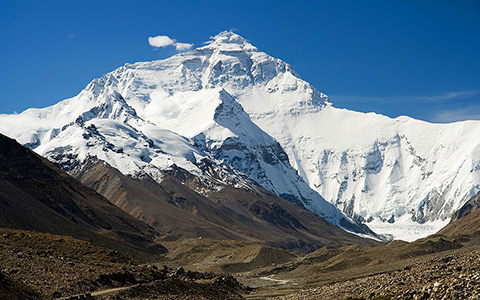 Best Way to See Mount Everest
Though Nepal and Tibet Autonomous Region, China both share the part of Mt. Everest (8844.43m), the best panoramic view of Mount Everest, namely from its northeast ridge to its summit, in fact lies in Shigatse Prefecture, Tibet.
View More Everest Base Camp Tour Cost
Things are not so simple when talking about the cost of an Everest Base Camp tour, for there are many categories which are not sure. The total cost will comprise transportation, hotels, restaurants, entrance fees for tourist attractions, and the like
But there is some general information about the costs of different things you need during your travel. Check the tour cost breakdown as follows for reference.
View More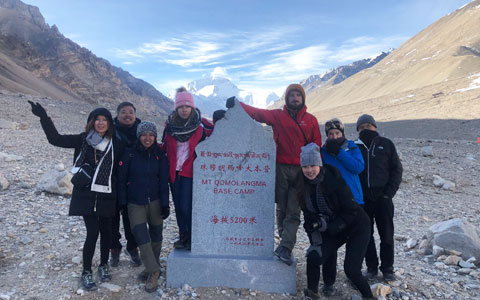 How to Get to Mount Everest Base Camp from Lhasa
Located in the southwest of Tibet, Everest Base Camp, also known as EBC, is the first base camp of Mount Everest, opened in the 1920s. Travelers swarm to Tibet in their thousands every year just to catch a glimpse of Mount Everest, the world’s highest mountain.
The base camp is actually located around 620 kilometers from Lhasa, by road, or just 450 kilometers as the crow flies. So, how do you get to the Everest Base Camp (EBC) from Lhasa?
View More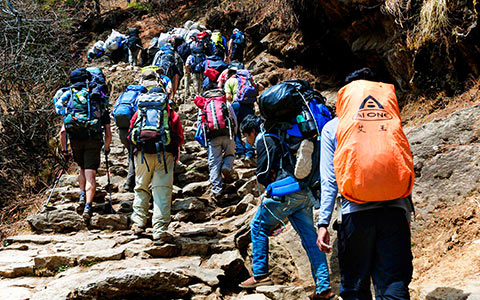 What to Pack for Everest Base Camp Trek
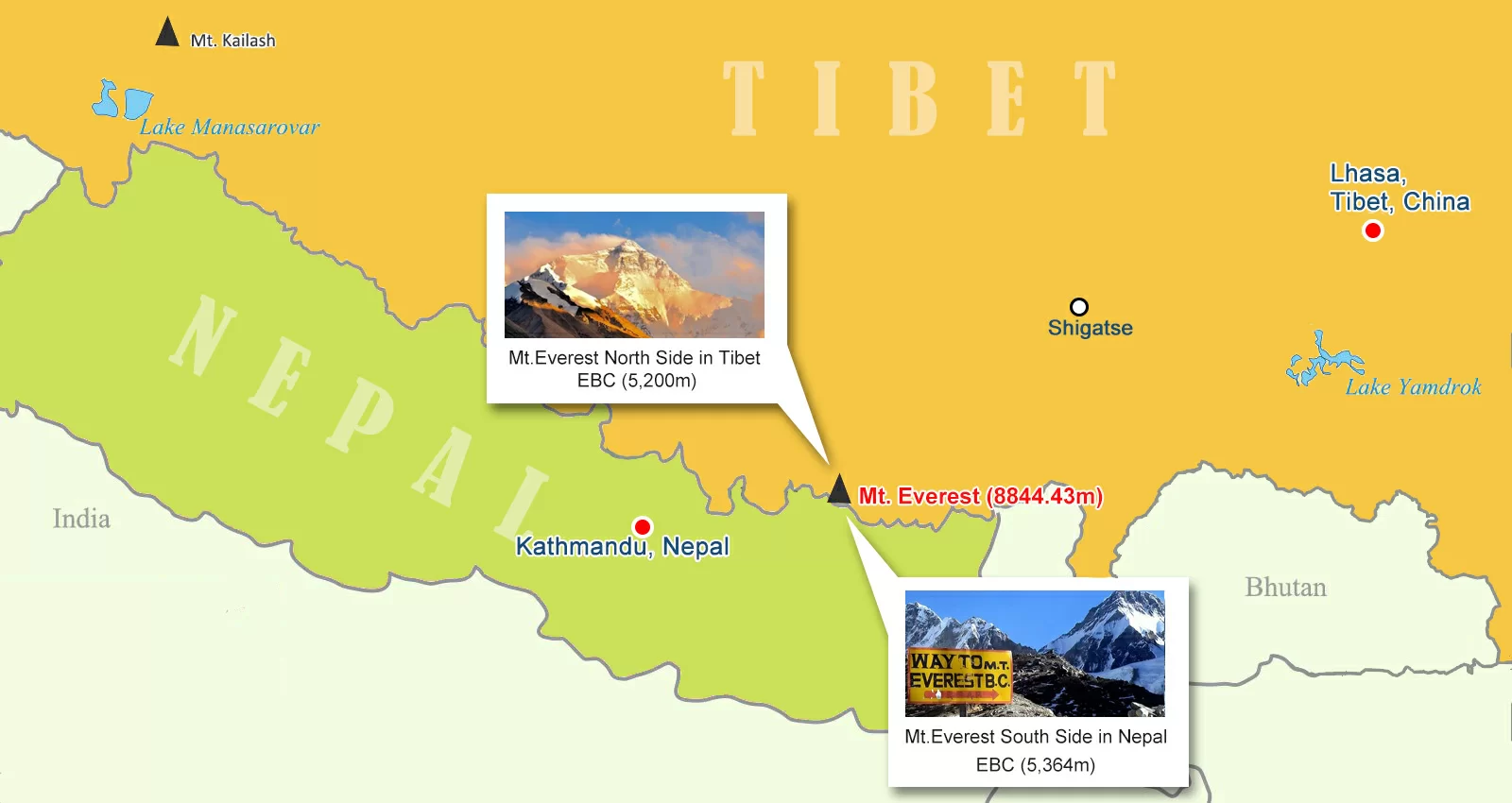
Everest Base Camp usually refers to two base camps on opposite sides of Mount Everest - South Everest Base Camp at an altitude of 5,364 meters in Nepal and North Everest Base Camp at 5,200 meters in Tibet. Every year, there is a swarm of tourists trekking to Mount Everest from four corners of the earth. However, as a newcomer, a well-prepared EBC trekking tour is quite vital, otherwise, you will have ants in your pants when being in a pretty kettle of fish. Fortunately, the following will offer some useful information on EBC trekking packages in Tibet and Nepal.
View More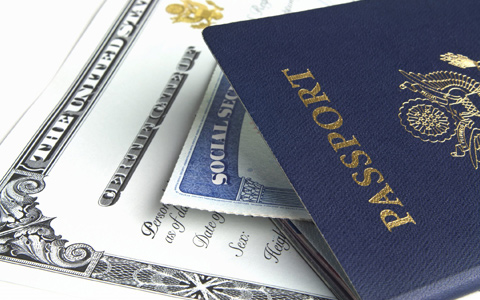 Documents for Everest Base Camp Tour in Tibet and Nepal
Traveling to Everest Base Camp (EBC) is no easy thing. Besides a strong body and courage, you first need to get certain permits and certificates before your departure. Check what documents you should prepare for your Everest Base Camp tour as follows.
Documents for Everest Base Camp Tour in Tibet
View More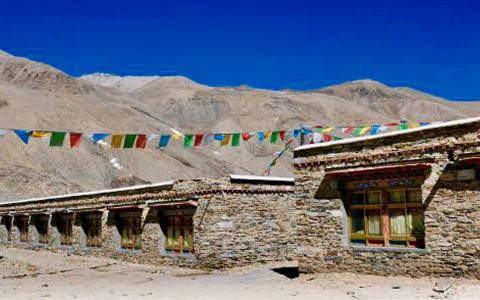 Hotels along the way from Lhasa to EBC
First of all, it is necessary for you to learn the information about the hotel in Tibet before your visit. There are vast differences between the hotels in Tibet and those in China mainland. Actually, Lhasa can offer more hotels for different travelers, the hotel facilities are also the best on the way to Everest Base Camp. However, when you leave Lhasa, the more isolated and higher altitude regions you visit, the fewer hotels you can choose. Certainly, the facilities are poorer.
View More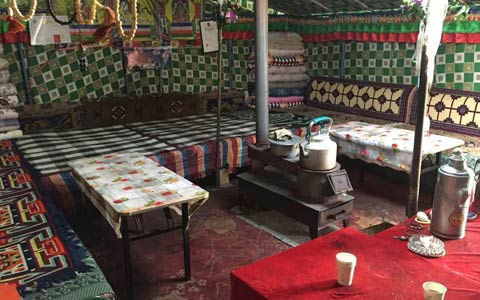 Top 12 Concerns about Tent Guesthouse at Everest Base Camp
Mount Qomolangma, the highest mountain in the world, has attracted millions of tourists at home and abroad. To capture the starry night and stunning sunrise over Mt Everest, the tent hotels have become the best choice for visitors to stay overnight. In this post, I'll solve your top concerns about the Everest tent guesthouse, including its operation time, living conditions, toilets, electricity, oxygen supplies, food and drinks, etc.
View More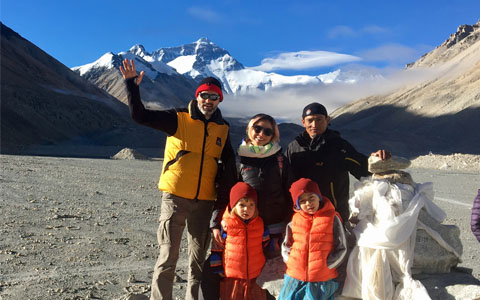 Ultimate Guide to Everest Base Camp Tour for Kids
Located on the border between Nepal and China’s Tibet Autonomous Region, Mount Everest, the highest mountain in the world, attracts millions of tourists every year. It is not only the top destination for some single adult travelers but also a fantastic place for families to make a lifetime memory. Possibly the single most popular attraction on the plateau, this massive mountain sparks dreams of adventure and excitement in the minds of kids and can be a great place to take them to learn more about the mountain itself, as well as the culture and people of the land in which it lies.
View MoreRecommended Tour Itineraries Including Everest Base Camp
Everest Base Camp is a gathering place for mountaineering enthusiasts from all over the world, with complete living facilities and a beautiful natural environment. Check the top 4 highly recommended Tibet tours that include Everest Base Camp.
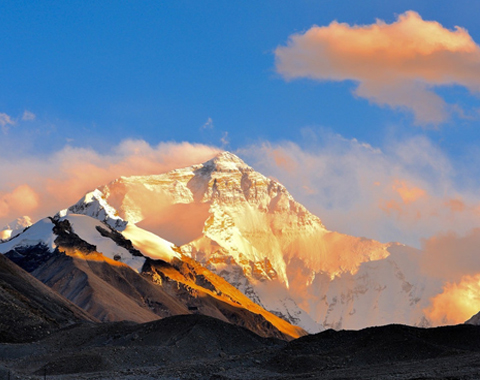 8 Days Lhasa to Everest Base Camp Small Group Tour: Marvel at Mt.Everest Real Close from 4 Different Viewing Platforms
Lhasa - Gyantse - Shigatse - Everest Base Camp - Shigatse - Lhasa
from USD939
View Details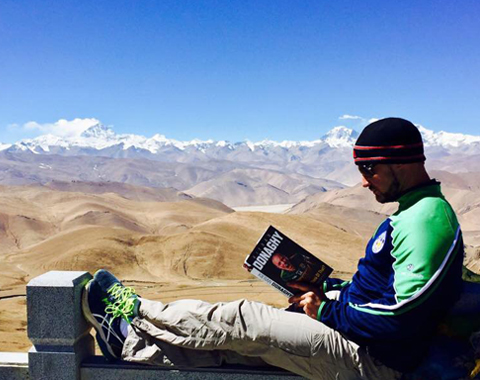 7 Days Lhasa to Kathmandu Overland Small Group Tour: Traverse from the North Side to the South Side of Mt.Everest for the Best of the Himalayas
Lhasa - Gyantse - Shigatse - Everest Base Camp - Gyirong - Kathmandu
from USD979
View Details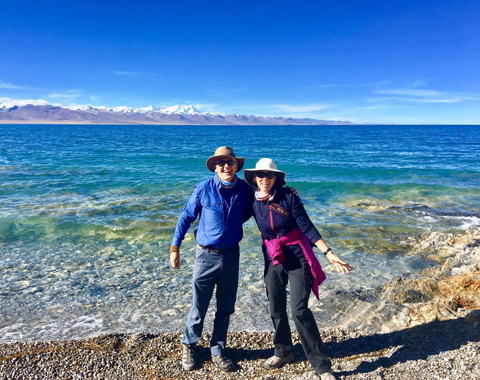 10 Days Lhasa to Everest Base Camp and Namtso Lake Small Group Tour
Lhasa - Gyantse - Shigatse - EBC - Shigatse - Lhasa - Namtso Lake - Damxung - Lhasa
from USD1289
View Details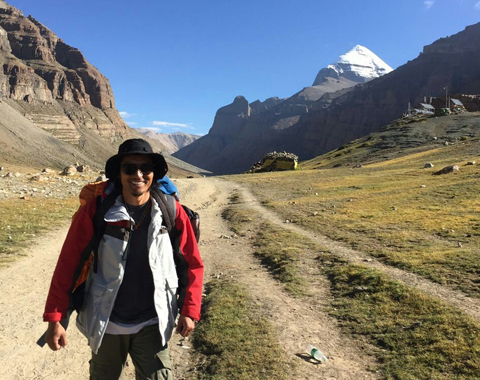 15 Days Kailash and Manasarova Small Group Tour: A pilgrim’s final fantasy and the greatest overland trip in Tibet.
Lhasa - Gyantse - Shigatse - E.B.C - Saga - Kailash Trek - Darchen - Lake Manasarovar - Saga - Gyirong - Tingri - Lhasa
from USD2059
View Details